New Fairtrade guidelines for 2026: what do they mean for promotional products?
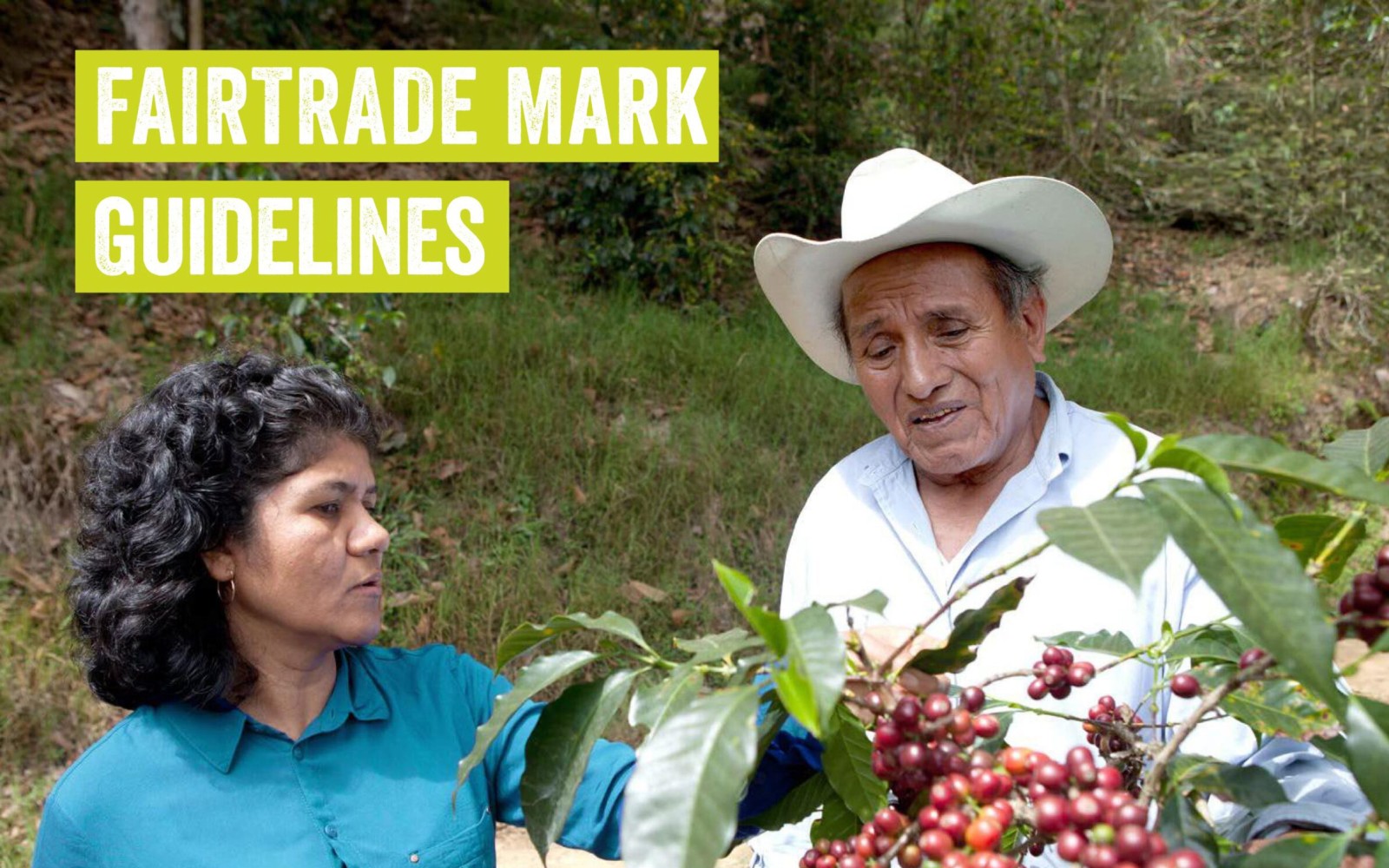
From 27 September 2026, stricter European rules on sustainability claims will apply. The EmpCo Directive aims to prevent companies from using green claims that are not sufficiently substantiated. Fairtrade has therefore updated its guidelines for certification marks, packaging and product copy. For the promotional products sector, this mainly means clearly stating which material or ingredient is actually Fairtrade certified.
What is changing?
Packaging, labels and product pages must clearly state:
- which material or ingredient is covered by the certification mark;
- which Fairtrade mark applies;
- what percentage is Fairtrade certified, where relevant;
- whether physical traceability or mass balance applies.
The new requirements apply immediately to all new artwork.
Fairtrade cotton in promotional products
Within our range, the Fairtrade Cotton Mark is particularly important. This applies to products such as cotton bags, aprons, towels and clothing. The certification mark applies to the cotton, not automatically to the entire finished product. All cotton used must be Fairtrade certified and physically traceable. In blended fabrics, at least 50% of the fabric must consist of Fairtrade cotton. A description such as ‘Fairtrade bag’ may therefore be too broad. A more accurate description is: ‘Cotton bag made from Fairtrade-certified cotton.’ This tells the recipient exactly what the certification mark covers.
Chocolate, coffee and tea
Claims relating to edible promotional gifts are also being tightened. Fairtrade distinguishes between:
Physical traceability: The Fairtrade ingredient can be traced throughout the supply chain.
Mass balance: Fairtrade and non-Fairtrade raw materials may be mixed during processing. The correct volume is purchased under Fairtrade terms, but it cannot be demonstrated that it is present in every individual pack. The packaging must therefore not imply a broader claim than Fairtrade can substantiate.
The rules do not apply only to packaging. They also cover product names and descriptions, webshop pages, quotations and catalogues, labels, sleeves and gift packaging, as well as advertisements and social media posts. For bespoke products, it is wise to check all claims during the first artwork proof. This helps prevent delays, reprints and additional costs.
How Greengiving handles this
For Fairtrade promotional products, Greengiving checks:
1. Which part of the product is certified.
2. Which certification mark and claim are required.
3. Whether the product copy makes claims that are too broad.
4. Whether the packaging and print are correct before production.
This means you receive a sustainable promotional product where both the product and the communication are accurate.
Follow us on social media
Be the first to hear about our news
Popular blogs



.svg)